Health Equity

Two blue human-like figures with white heart shapes on their chests are seen in front of a light green circle. One figure is larger, and both appear to be moving energetically with outstretched arms and legs.

HEALTH EQUITY

In Michigan, 3.7 million people are aged 0–24, with nearly half living in Southeast Michigan. Many, especially those from vulnerable populations—such as economically disadvantaged youth, children with disabilities, and those in under-resourced communities— face barriers to achieving good health. These challenges include factors like income, geography, race, disability, and language. Without access to healthcare, living a healthy life is difficult. Addressing these barriers helps advance health equity and sets children up for success in school, career, and life.  Access to basic care leads to better long-term outcomes.

THE PROBLEM

White outline of a piggy bank with a coin featuring a dollar sign being inserted into the slot on its back.

55%

In Michigan, over 55% of children in kindergarten to 12th grade are economically disadvantaged. 


(Kids Count, 2024)

A gray triangle with an exclamation mark inside, indicating a warning or error message. The background is light gray.

60%

Nearly 60% of Southeast Michigan’s third graders are not reading at grade-level. Only 15% of high school seniors are graduating on time.


(Kids Count, 2024)

A simple outline icon of a person with a plus sign near their head, representing the concept of adding a new user or creating a new account.

1 in 6

Approximately 1 in 6 children aged 3-17 have been diagnosed with a developmental disability, including autism spectrum disorder, intellectual disability, and other developmental delay. 

(CDC, 2021)

Community Inspired Solutions

Our vision is a Michigan where all children have equitable opportunities to lead healthy lives. The Foundation works to achieve this by supporting programs that address key factors contributing to health equity for children, youth, young adults, and their families—factors that may not be directly linked to health outcomes but significantly influence them. These programs include initiatives that tackle food and nutrition insecurity, provide transportation to essential services, enhance education skills (literacy, math, science, culture, etc.), offer out-of-school time activities, and promote economic mobility

Rx Kids: Helping families thrive from the start

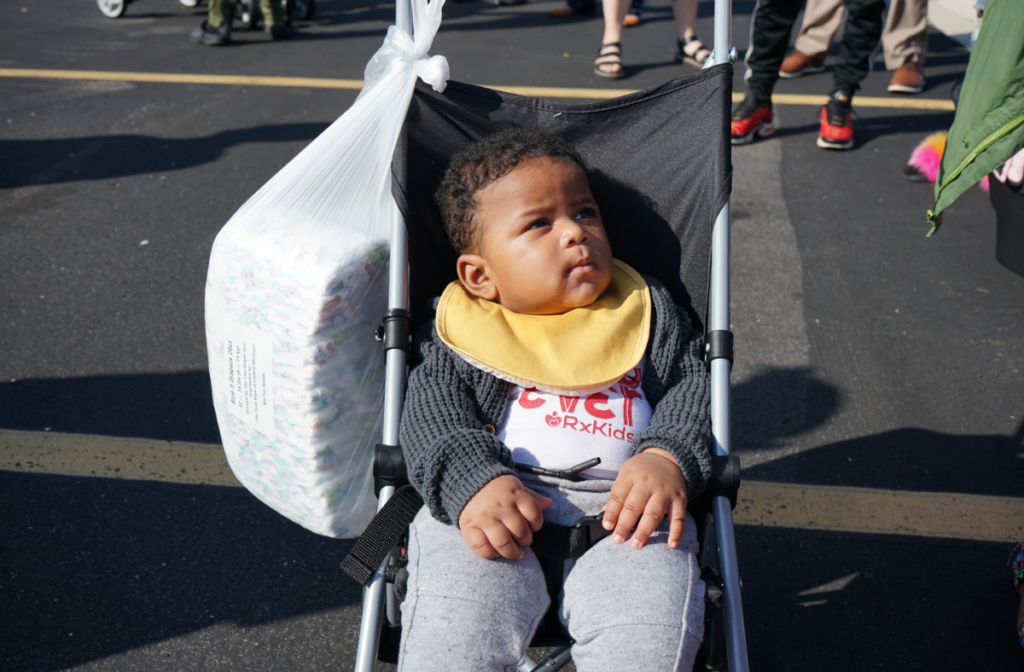
The first year of life is essential for a child’s growth and future. With a $50,000 grant, Rx Kids is investing in Flint’s families with prenatal and infant cash prescriptions, easing financial burdens so parents can focus on their babies’ health and well-being. Click here to learn more.

The Children's Center: Breaking barriers to kids' health

In Detroit, transportation and language barriers prevent many children from accessing vital healthcare. This article explores how the Children’s Center of Wayne County is addressing these obstacles with its Equity Project, providing transportation and translation services to ensure children receive the care they need. With a $20,000 grant, the initiative is improving attendance and empowering families, helping shape a healthier, more equitable future for Michigan’s children. Click here to read.

A young child sits in a stroller outdoors, wearing a yellow bib and dark sweater, with a bag of diapers hanging from the stroller handle. Several people stand in the background on a sunny day.