


By: Kari Radjewski, director of Marketing & Communications
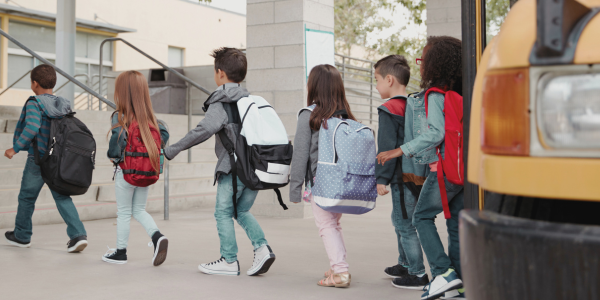
Every Friday afternoon, just before dismissal, a quiet routine unfolds inside a classroom in Oakland County. Students file past third grade teacher, Mrs. J’s desk to pick up small drawstring backpack—no names, no announcements, just a simple motion that’s become part of routine.
Inside each bag are six meals and four snacks to last them through the weekend.
“You can see the difference when kids have enough to eat,” Mrs. J said. “They’re more alert, more confident. They laugh more. They have the energy to be themselves.”
This quiet routine means food insecurity is in own backyards. Our neighbors don’t want us to see it, but that doesn’t mean it’s not there.
Food insecurity affects health and wellbeing
At the Children’s Foundation, we know that hunger isn’t just about food— it’s a barrier to health, wellbeing, and opportunity.
In Southeast Michigan, 1 in 8 children doesn’t know where their next meal will come from, according to Feeding America. Research shows that hunger is about more than stomachs—it’s linked to higher rates of depression, anxiety, and stress in children. When kids are hungry, everything is harder. Learning becomes harder. Growing becomes harder. Life becomes harder.
Public programs help, but they aren’t enough—so families turn to local food programs to fill the gap.
In recent years, those gaps have widened for families already struggling to afford food.
3 Local partners meeting family needs
Community-based solutions matter more than ever. In July 2025, we supported three local partners to increase access to nutritious food for children. These efforts are as follows:
Hospitality House: Weekend meals for kids
For students who rely on school meals, weekends can be the hungriest days of the week. Through the Weekend Food Program at Hospitality House in Oakland County, kids bring home healthy meals every Friday. With $20,000 in grantsupport from the Children’s Foundation, the program distributes over six nutritious meals and snacks for approximately 400 children every week.
Forgotten Harvest: Teaching the community to eat well:
With our $50,000 grant, bags of fresh food will go home with 35 families every other week at the Bussey Center for Early Childhood Education—but that’s only one part of the effort. Forgotten Harvest is teaching families how to cook, plan meals, and make healthy choices on a budget. Their new nutrition literacy curriculum helps turn food into empowerment, so families have knowledge, not just groceries.
United Community Family Services: Culturally familiar food for refugee families:
For refugee and immigrant families, food insecurity can feel even more isolating when available food isn’t familiar or culturally appropriate. At United Community Family Services – Sharehouse Food Pantry, families can choose from foods that reflect their traditions—lentils, rice, fresh produce, and spices they recognize. Our $25,000 grant ensures that 1500 school-aged children from refugee andimmigrant households in Oakland, Macomb, and Wayne Counties have access to nutritious, familiar food that feels like home.
Real progress happens in partnership
Hunger shows up in many ways: empty cupboards, skipped meals, and quiet struggles that often go unseen. No single organization can solve this alone. That’s why we support partners who bring practical, community-led solutions to Michigan families.
As Mrs. J reminds us, food makes space for learning, growing, and just being a kid. When children have consistent access to nutritious food, they gain stability, strength, and the opportunity to thrive.